Self-Help Books That Actually Helped Me

Life gets loud. Between notifications, deadlines, and the general chaos of being alive, it’s easy to feel like you’re just reacting instead of living. I’ve found that a good book can cut through the noise, not by promising to fix everything, but by giving you one or two ideas that actually stick. Here are five I’ve read that made a real difference.
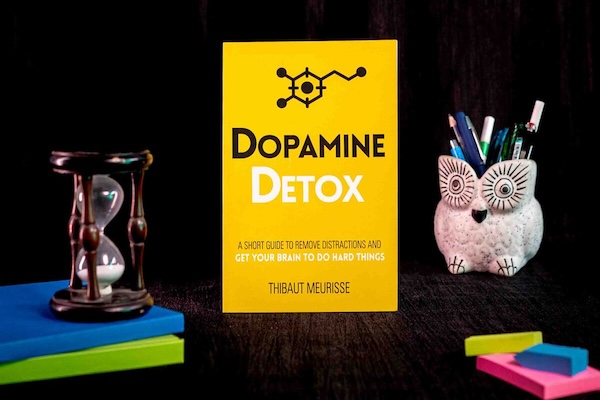
If you’ve ever spent an hour scrolling Instagram when you meant to work, “Dopamine Detox” is for you. It explains how your brain’s reward system gets hijacked by low-effort hits of dopamine, and gives you a practical plan to reset it. The idea isn’t to quit fun forever, just to stop letting cheap distractions eat your focus. I tried the 24-hour detox and was surprised how much clearer my thinking got.
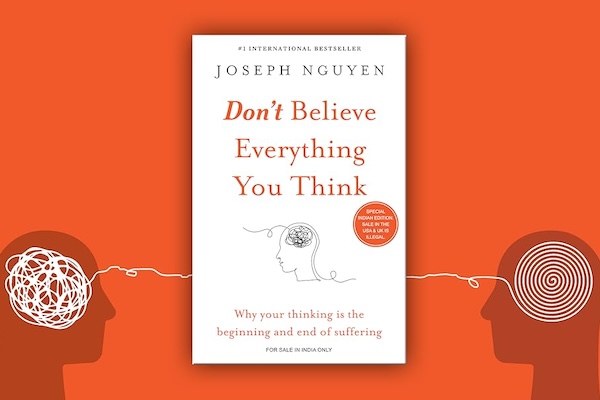
Joseph Nguyen’s book has a simple but powerful message: your thoughts are not facts. He argues that most of our suffering comes not from what happens to us, but from how we interpret it. The book is full of short, relatable stories that make the concept click. I started noticing how often I believed my own worst-case scenarios, and learning to question them has been genuinely freeing.
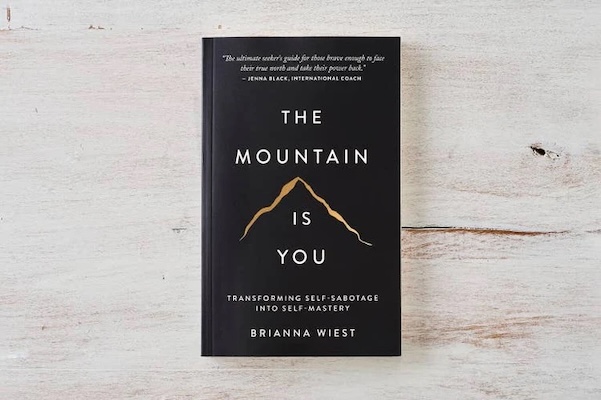
Brianna Wiest’s “The Mountain Is You” is about the ways we sabotage ourselves without realizing it. Procrastination, perfectionism, self-doubt, she digs into the emotional roots of these patterns and gives you a way out. It’s not a quick fix, but it’s honest. I had to put the book down a few times because it hit too close to home, but that’s exactly why it works.

“Rewire Your Anxious Brain” is part neuroscience, part practical guide. It explains what’s happening in your brain when anxiety hits, then gives you specific techniques to calm it down. I’m usually skeptical of anything that claims to “rewire” your brain, but the exercises here are grounded in real research. The breathing and grounding methods actually help when I feel a panic attack coming on.
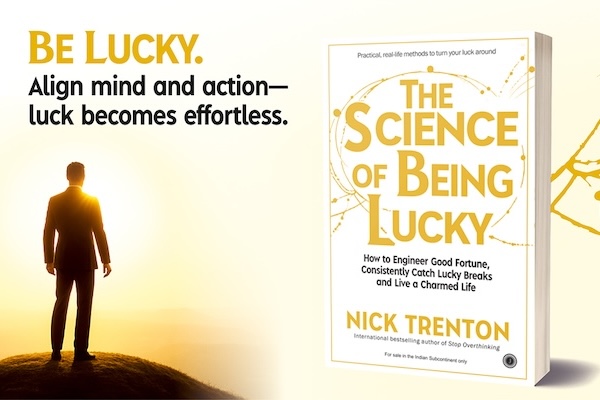
I used to think luck was random, but this book made me reconsider. It argues that lucky people tend to share certain habits: they’re open to new experiences, they network genuinely, and they bounce back from setbacks quickly. The book is full of stories and exercises that show you how to cultivate these traits. I started saying yes to more things and noticed more “lucky” coincidences happening. Maybe it’s just confirmation bias, but it feels good either way.